The Entlebucher Mountain Dog is a Swiss working dog with a lively temperament, strong build and strong family affection. When choosing a breed, it is important to take into account not only its appearance, but also how its character manifests itself in everyday life: on a walk, during training, when meeting guests and in communication with family.
In this article we look at the main traits of the Entlebucher: devotion, energy, attentiveness and independence. They help you understand what activities your dog will enjoy, what you should pay attention to when training, and whether this breed suits your lifestyle.
1. Briefly about the breed
The Entlebucher is the smallest of the four Swiss Mountain Dogs. Its ancestors worked with cattle, so the compact body is combined with strength, agility and endurance. According to the FCI standard, the height of males is 44-50 cm, females – 42-48 cm, with a tolerance of up to 52 and 50 cm, respectively.
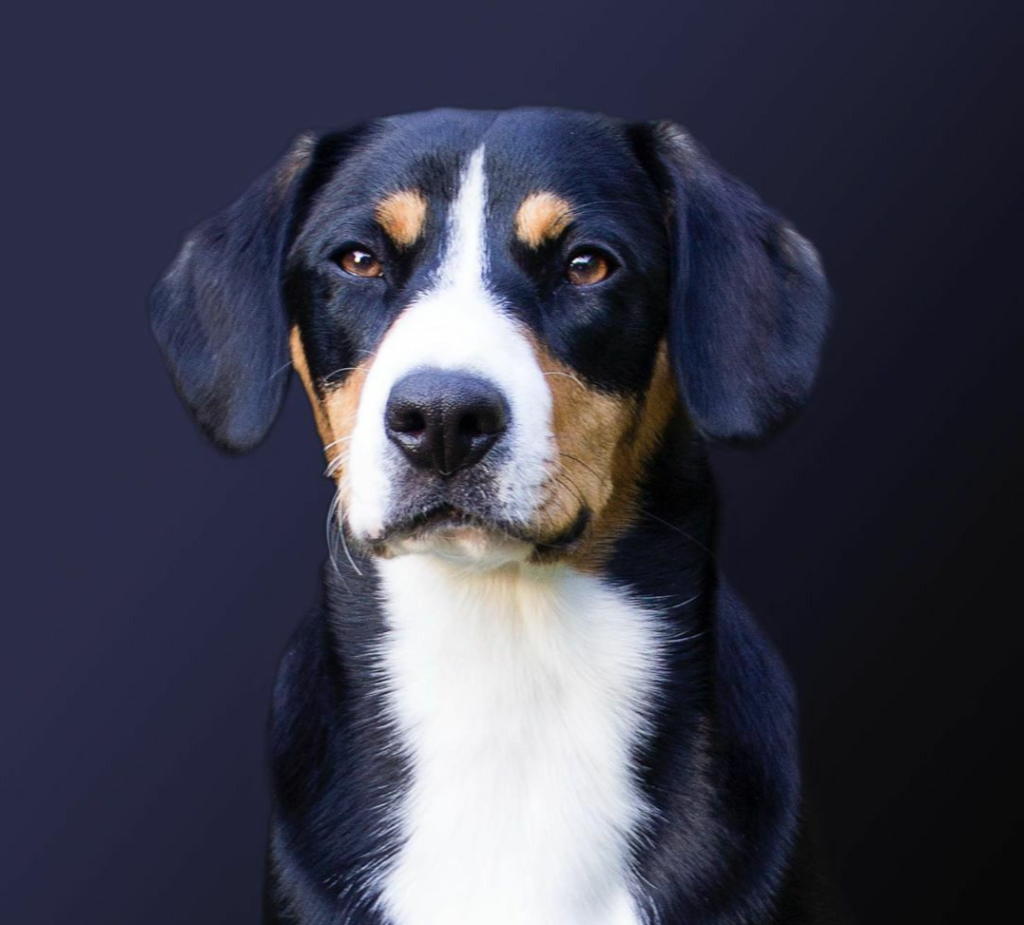
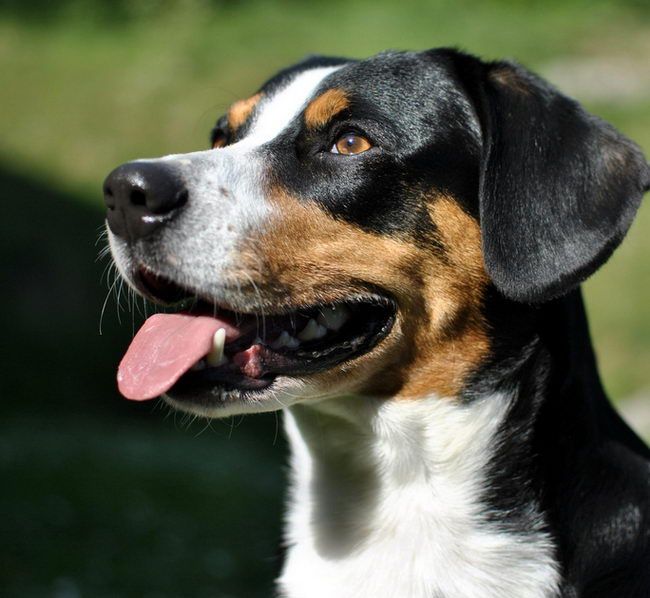
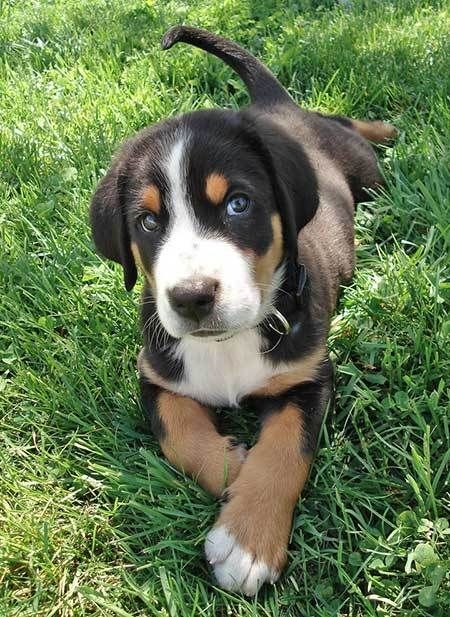
The breed is easily recognized by its short, dense coat and tricolor color: black, tan and white. The appearance gives the impression of an attentive and ready-to-move dog. These qualities are also reflected in behavior: the Entlebucher notices what is happening around him and willingly joins in joint activities.
2. Main traits of temperament
Loyalty to your people
Entlebuchers form a close bond with family. They like to be around, participate in household chores and receive attention. This type of attachment makes communication especially close, but at the same time means that the dog needs to be given time every day.
The Entlebucher can be reserved towards strangers. You should not demand from him immediate friendliness to everyone he meets. The goal of education is to help the dog calmly perceive ordinary situations and understand when to relax.
Energy and love for the game
A working background manifests itself in the need to move and solve problems. Walking, searching for objects, playing with the owner and suitable sports activities give the dog the opportunity to use his abilities. Monotony and lack of busyness can be accompanied by undesirable behavior, such as damaging things or restlessness.
However, activity does not mean continuous excitement. It is important to teach your dog to rest, alternate activities with quiet periods and adjust the load according to age and health.
Intelligence and ability to learn
Entlebucher quickly learns patterns and notices a person’s reaction. He is able to perform well in obedience, agility and other activities that require attention and coordination. Success depends on regular training and clear feedback, and not just on breed intelligence.
Vigilance
This dog closely monitors its surroundings and can bark to indicate the presence of strangers. Without working on behavior, wariness sometimes interferes with a quiet life in the city or communication with guests. It is useful to introduce your puppy to everyday sounds from an early age and teach him to switch to a person.
Affectionateness and independence
The Entlebucher’s love for family is combined with initiative. He can search for his own solution to a problem and check how consistently people act. This is not a reason to consider a dog “bad” or try to suppress its character. It is much more useful to make the rules clear and the same for all family members.
Caution when dating
Social skills develop through experience. It is important for your puppy to gradually become familiar with different people, animals and places, without getting into situations that frighten him. Each dog has its own pace: calm observation is sometimes more beneficial than close contact.
3. Why socialization is important
Acquaintance with the world begins at puppyhood and continues throughout life. For a dog wary of strangers, the experience in which new events turn out to be understandable and safe is especially valuable. Socialization helps to cope with everyday changes, but should not turn into a series of forced meetings.
Gradually introduce the puppy to people of different ages, transport, everyday sounds and suitable dogs. Observe the reaction: if the baby is tired or scared, reduce the complexity of the situation and give him the opportunity to move away. Positive impressions are more important than the number of new places.
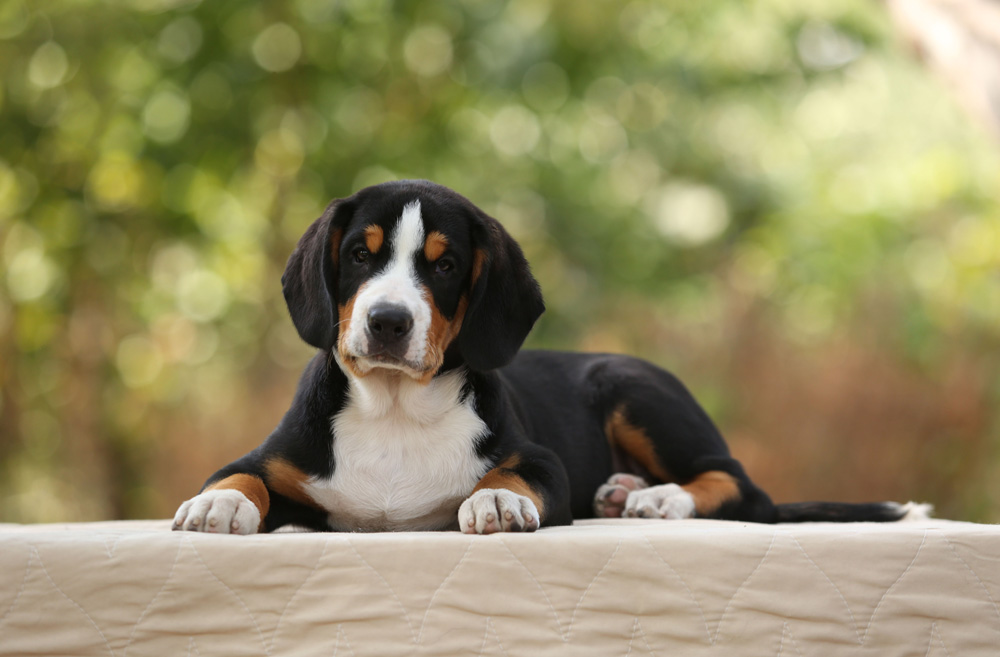
Classes in a suitable puppy group can be beneficial if the instructor takes into account the age and individual characteristics of the participants. Discuss questions about acceptable walks and contacts before vaccination is completed with your veterinarian.
4. Temperament and training
Entlebucher thrives on consistent activities with clear rules and rewards for desired behavior. The reward could be a treat, a toy, praise, or the opportunity to continue an interesting activity. It is important that the dog understands what action led to the result.
Monotonous repetitions quickly lose their meaning for an active and inquisitive dog. Make activities varied: alternate familiar skills with search games, small tasks and quiet work next to the owner. Increase the difficulty gradually.
Independence sometimes looks like stubbornness. Before increasing your demands, check to see if your dog understands the task, if there are too many distractions, and if he is getting enough rest. If the behavior is causing difficulties, the help of a specialist is more useful than constant repetition of the command.
5. Life with an entlebucher at home
The breed is best suited for people who are ready for daily activity and close communication with a dog. A house with a yard is comfortable, but apartment living is also possible with enough walks and activities. Housing size alone does not determine a dog’s well-being.
In a family with small children, the mobility of the entlebucher must be taken into account. During play, he may act too violently for the baby. Communication takes place under adult supervision; Children are taught how to handle a dog and when to leave it alone.
Relationships with other animals are individual. Growing up together may make it easier to get used to, but it does not guarantee friendship. The first meetings are carried out gradually, and each animal is given a place to rest.
Prolonged loneliness can be difficult for a dog accustomed to constant company. The skill of being calmly alone is developed gradually. If you are regularly away all day, plan ahead for assistance and routines. If you have significant separation anxiety, you should contact your veterinarian and behavior specialist.
6. Entlebucher character in everyday affairs
The German word appears in descriptions of the breed Wesen – character, essence, manner of behavior. For the Entlebucher, this is a combination of family attachment, attentiveness, initiative and willingness to work. The dog is interested in being a participant in a joint activity, and not just an observer.
This could be a walk looking for objects, learning a new skill, or a suitable sport. Not every owner needs competition: ordinary life also provides many opportunities for cooperation. The key is to consider the individual dog’s capabilities and find activities that both of you enjoy.
7. Health and life expectancy
Good care includes nutrition appropriate to the dog’s needs, weight control, reasonable exercise, and regular veterinary examinations. Life expectancy is individual: the breed description does not allow us to predict it for a particular puppy.
NEMDA National Breed Club materials cover, but are not limited to, hip dysplasia, eye diseases including progressive retinal atrophy (PRA), urinary disorders and immune diseases. Discuss with the breeder the examinations of the parents, and with the veterinarian – monitoring the health of your dog.
The presence of breed risks does not mean that the disease will necessarily appear. Examination documents need to be assessed in relation to specific animals; They are not a substitute for inspection and do not guarantee that there will be no future problems.
8. Is this temperament right for you?
Entlebucher combines energy, intelligence and loyalty into a relatively compact body. His working background helps to understand the need for activities, attentiveness to his surroundings and the desire to participate in family life. For the right person, this is an interesting companion, but the breed requires time and consistency.
Before choosing a puppy, honestly evaluate the dog’s normal routine, willingness to train, and expectations of the dog. Chat with the owners and breeder, get to know a specific baby. Characters vary within the same breed, so personal acquaintance complements any article.
Look our puppies, read about life of an entlebucher in an apartment and a house or ask a question to the kennel.
Adapted from the article Entlebucher Sennenhund Temperament. The repeated introductory section has been merged. Dimensions are checked from FCI standard No. 47, information about breed risks – with materials NEMDA about health.